For Men Who Refuse to Settle

Cure Prostate Cancer.
Keep Your Life.

Prostate cancer treatment doesn't have to mean diapers, impotence, or months of recovery. TULSA-PROTM offers a precise, MRI-guided alternative to surgery and radiation—one that eliminates cancer while preserving sexual function, bladder control, and dignity.

What is TULSA-PROTM?

An FDA-approved, MRI-guided ultrasound therapy that precisely ablates prostate tissue without incisions, without radiation, and without collateral damage to surrounding structures.

Group-27-1
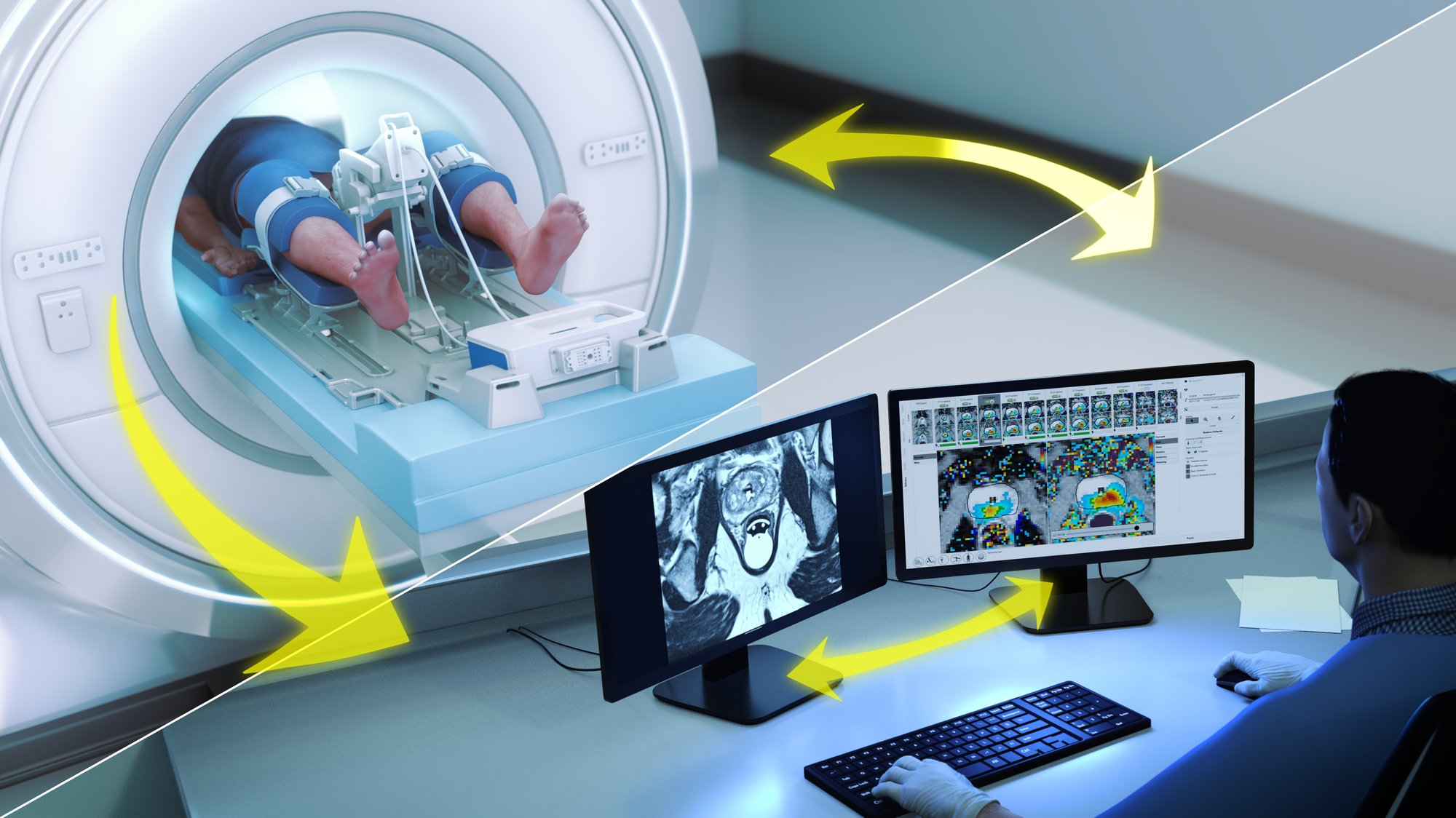
MRI-Guided Precision

Real-time monitoring with meticulous accuracy, protecting critical structures

incision-icon
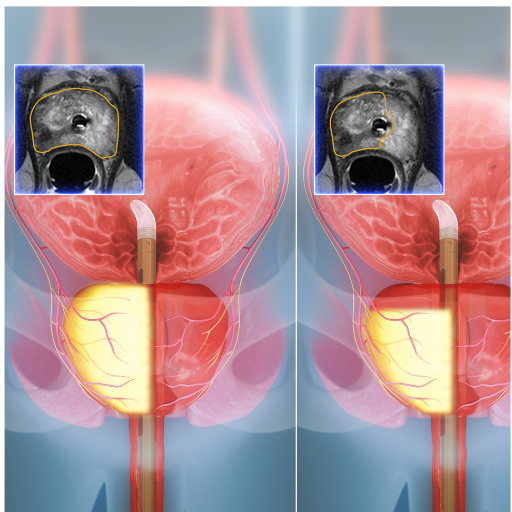
Inside-Out Ablation

Treats from urethra outward, avoiding the rectum and neurovascular bundles

radiation-icon
Single Session

One outpatient procedure, go home the same day

Group-55
Function Preservation

Preserved urinary control and erectile function
TULSA-PROTM vs. Surgery

Traditional radical prostatectomy, whether open or robotic-assisted, requires incisions and physical removal of the prostate gland. TULSA-PROTM offers a fundamentally different approach with superior functional outcomes.

  • No Incisions Required

    TULSA-PROTM: Transurethral approach, completely incision-free
    Surgery: Major surgery with incisions (open or robotic) and additional risks

  • Erectile Function Preservation

    TULSA-PROTM: 98% preserved (focal), 87% at 5 years (whole-gland)
    Surgery: 30-70% preserved

  • Continence Preservation

    TULSA-PROTM: 98% maintained, 92% pad-free at 5 years
    Surgery: 60-90% maintained

  • Recovery 

    TULSA-PROTM: Days to resume normal activities
    Surgery: Weeks to months

  • Hospital Stay

    TULSA-PROTM: Outpatient, same-day discharge
    Surgery: 1-2 days typical

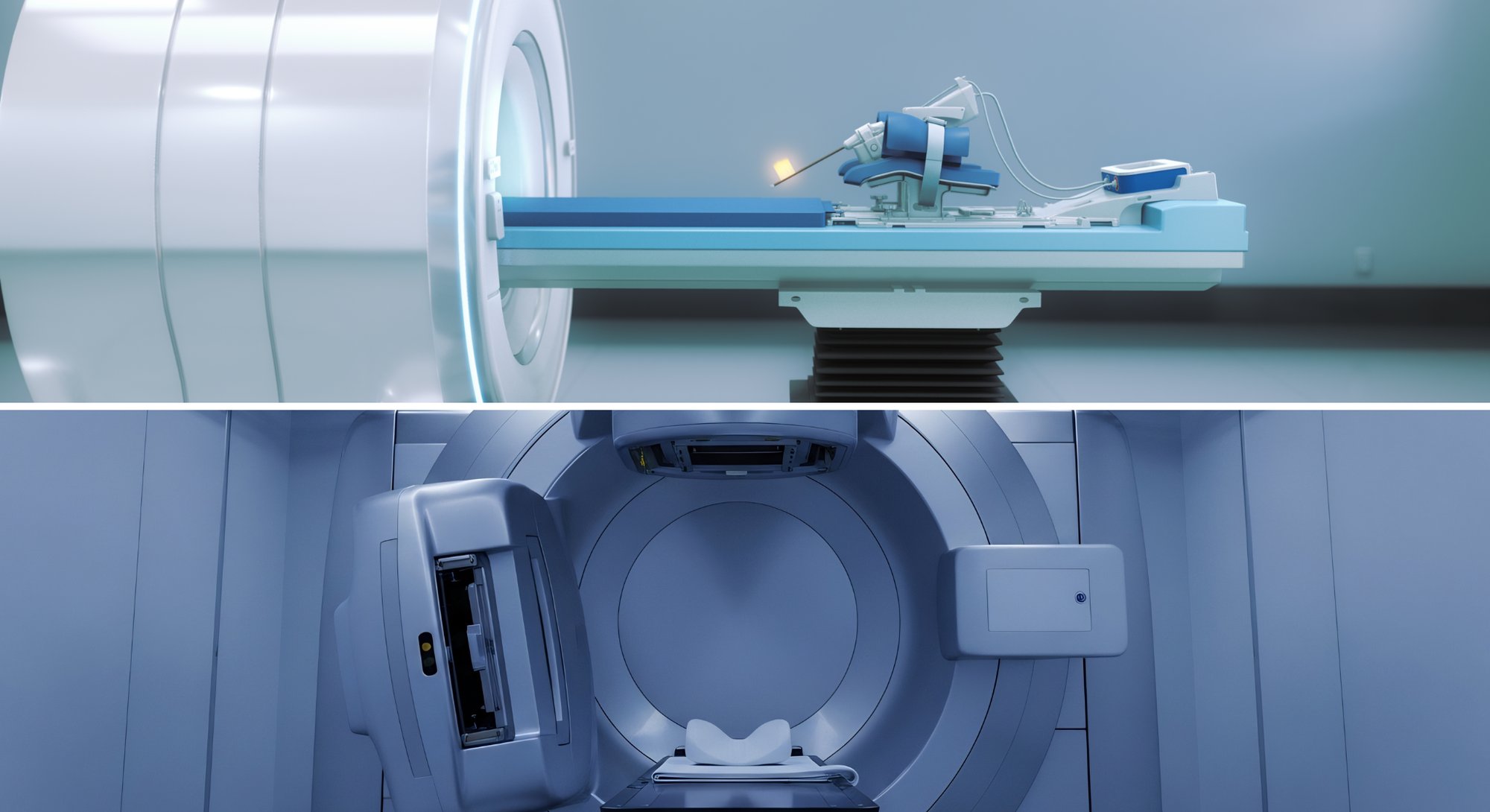
MR robot
TULSA Radiation

TULSA-PROTM vs.  Radiation

Radiation therapy typically requires 20-40 treatment sessions over several weeks with cumulative radiation exposure. TULSA-PROTM delivers a single-session treatment with no radiation and improved functional outcomes.

  • Treatment Duration

    TULSA Pro: Single session (1-3 hours), same-day discharge
    Radiation: 5-40 sessions over 4-8 weeks

  • Radiation Exposure

    TULSA Pro: None - ultrasound-based therapy
    Radiation: Cumulative radiation exposure with long-term risks 

  • Erectile Function Preservation

    TULSA Pro: 98% preserved (focal), 87% at 5 years
    Radiation: 40-60% preserved

  • Continence Preservation

    TULSA Pro:  97% maintained at 5 years
    Radiation: 80-90% maintained

  • Recovery

    TULSA Pro: Minimal downtime, days to normal activities
    Radiation: Weeks to months of daily treatment, years until late-risks show themselves

Proven Clinical Outcomes

Data from CAPTAIN, the world's first head-to-head TULSA vs. prostatectomy clinical trial, the pivotal TACT trial and pooled clinical studies demonstrate the effectiveness and safety of TULSA-PRO.


96%

PSA reduction

97%

Urinary continence maintained

87%

Erectile function preserved

97%

No urethral stricture

Key Clinical Findings

TACT Trial Results
  • 96% of 115 men experienced PSA reduction of 75% or more at 12 months
  • 79% of intermediate-risk patients free of Gleason Group 2+ disease at 12-month biopsy
  • No rectal injuries or Grade 4 adverse events reported
4-Year Follow-Up Data
  • 81% of previously potent patients reported erections sufficient for penetration
  • 94% pad-free continence, 99% socially continent at 4 years
  • 22% required salvage therapy (TULSA-PROTM does not preclude further treatment)

The Journal of Urology, Vol 209, No 4S, May 2023

TULSA_Image_MRI-Screens
TULSA tx

CAPTAIN Trial

The World's First Head-to-Head Comparison of TULSA-PROTM vs. Robotic Prostatectomy (RP)
  • Significantly Less Blood loss: TULSA mL vs. RP 100 mL, p<0.001.
  • Significantly Shorter Hospitalization: TULSA 0.29 days vs. RP 1.24 days, p<0.001.
  • Significantly Less Pain: Numerical Rating Score lower TULSA vs. RP to post-treatment day 6, p<0.05.
  • Significantly Better Quality of Life: Higher overall health scores TULSA vs. RP for all 30 days measured after treatment, p<0.05. Less extreme problems or mobility issues (0% for TULSA vs. 12% for RP, p=0.001), self-care (3% for TULSA vs. 17% for RP, p=0.005), and usual activities (17% for TULSA vs. 40% for RP, p=0.008).

Urologic Oncology, Vol 43, Issue 3, March 2025

How TULSA-PROTM Works

A precise, four-step process guided by real-time MRI imaging

1

insertion-device
Device Insertion

The ultrasound applicator is inserted into the urethra, along with a cooling device to protect surrounding tissue.

2

Group-27-1
MRI Visualization

Real-time MRI provides clear views of the prostate and critical structures for precise planning.

3

Group-29
Custom Planning

Dr. Hong customizes treatment boundaries based on anatomy and areas to treat or spare.

4

Group-31
Precision Ablation

The system delivers therapeutic ultrasound within prescribed boundaries while monitoring in real-time.

Ready to Learn More?

Don't settle for outdated options. If you've been told surgery or radiation are your only paths forward, it's time for a second opinion—one grounded in precision, experience, and respect for your life after cancer.