
TULSA-PRO Candidacy
Am I A Candidate
for TULSA-PRO?
TULSA-PRO is not suitable for everyone. Understanding your eligibility is the first step toward making an informed decision about your prostate cancer care.
Answer 5 quick questions to see where you stand — our care team will follow up personally to walk through the details.

Cancer Stage & Risk Level
Men with localized low- or intermediate-risk, non-metastatic prostate cancer are ideal candidates. High-risk prostate cancer on a selected basis.
- Gleason grade group 1, 2 or 3
- Gleason grade group 4 or 5 on a selected basis
- Non-metastatic prostate cancer
PSA Levels
PSA levels of 20 ng/mL or lower yields best results.
.png?width=132&height=132&name=PSA%20(180%20x%20180%20px).png)
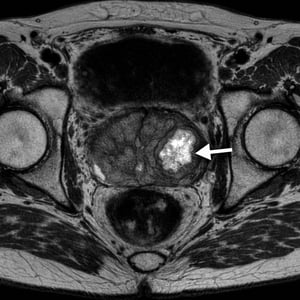
MRI Visibility
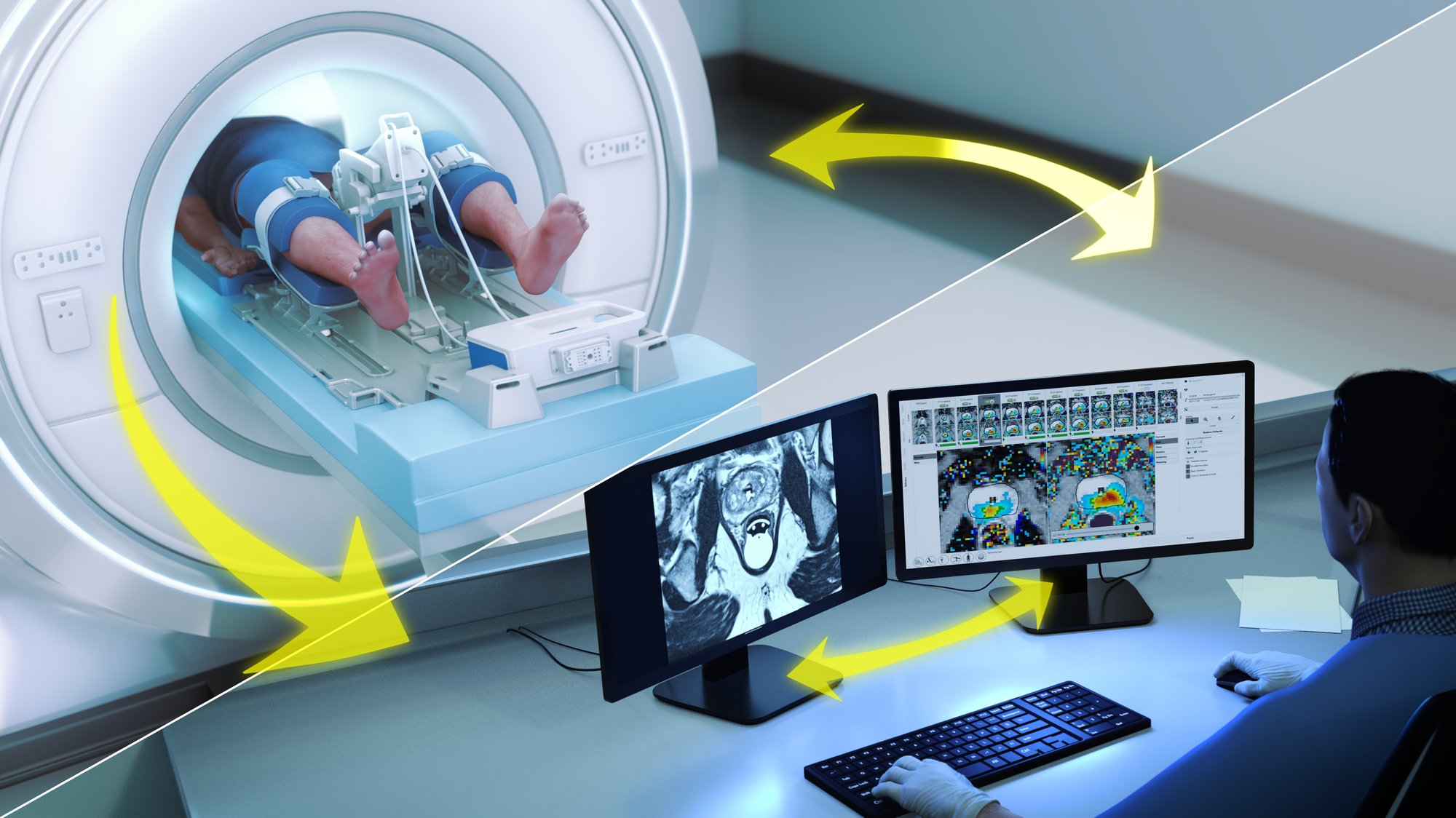
MRI visible tumors allow for greatest treatment precision. TULSA-PRO relies on real-time MRI guidance for precise targeting and minimal collateral damage.
Tumor Location
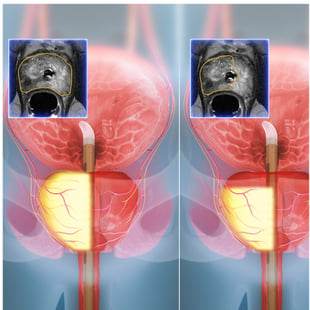
The tumor is located ideally within a treatable distance from the urethral probe location to ensure effective ultrasound energy delivery and precise ablation of cancerous tissue.

MRI Compatible
Patients must be able to safely undergo MRI procedures. No MRI-incompatible metal implants, pacemakers, or devices.

Anesthesia Eligible
Candidates must be able to undergo general anesthesia or sedation safely, as TULSA-PRO is performed while the patient is comfortable inside an MRI machine.
Any Age
Patients of any age who prioritize their functional status may choose minimally-invasive TULSA-PRO therapy.
Prostate and Prosthetic Implants
- Prior prostate implants such as UroliftTM implants can complicate the TULSA Procedure.
- Pacemakers, often placed for non-prostate reasons, can be unsafe for MRI-based surgery.
- Orthopedic implants such as hip replacements can affect eligibility for TULSA-PRO.
Large Prostatic Calcifications
Calcifications can affect safety and results. Detailed analysis performed by Dr. Hong before the procedure.
Urethral Strictures
A narrowing of the urethra can prevent insertion of the TULSA-PRO device.
Tumors Near Critical Structures
Tumors located very close to the urinary sphincter or neurovascular bundles may results in increased collateral damage. Comprehensive analysis performed by Dr. Hong before the procedure.
Metastatic Cancer
The TULSA Procedure is not considered a cure for metastatic prostate cancer, though selected men have undergone TULSA-PRO in special situations.
Eligibility Varies
Depending on experience and surgeon comfort with tumor aggressiveness, some patients deemed not a TULSA-PRO candidate at one center may be considered a candidate with Dr. Hong. Detailed pre-procedure analysis and planning is key.
The Choice is Yours
Some patients may have certain priorities such as maintaining erectile function over other outcomes. Dr. Hong carefully considers your treatment goals before TULSA-PRO procedure day.
Insurance Coverage
TULSA-PRO coverage is variable nationwide. TULSA-PRO is self-pay with Dr. Hong.
